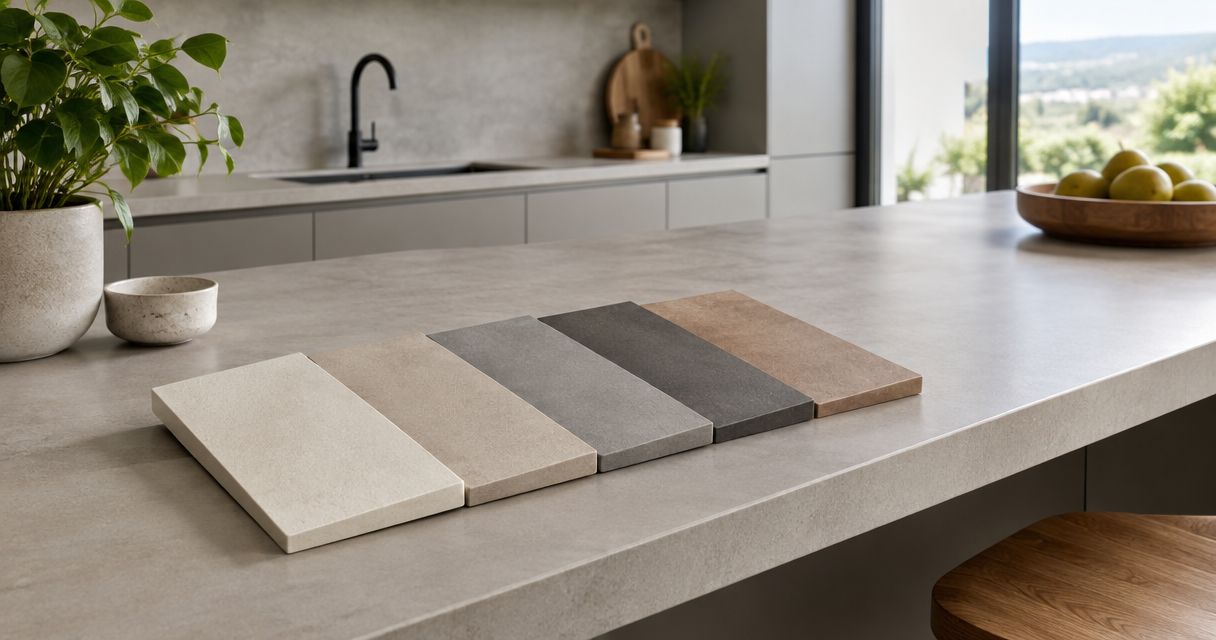
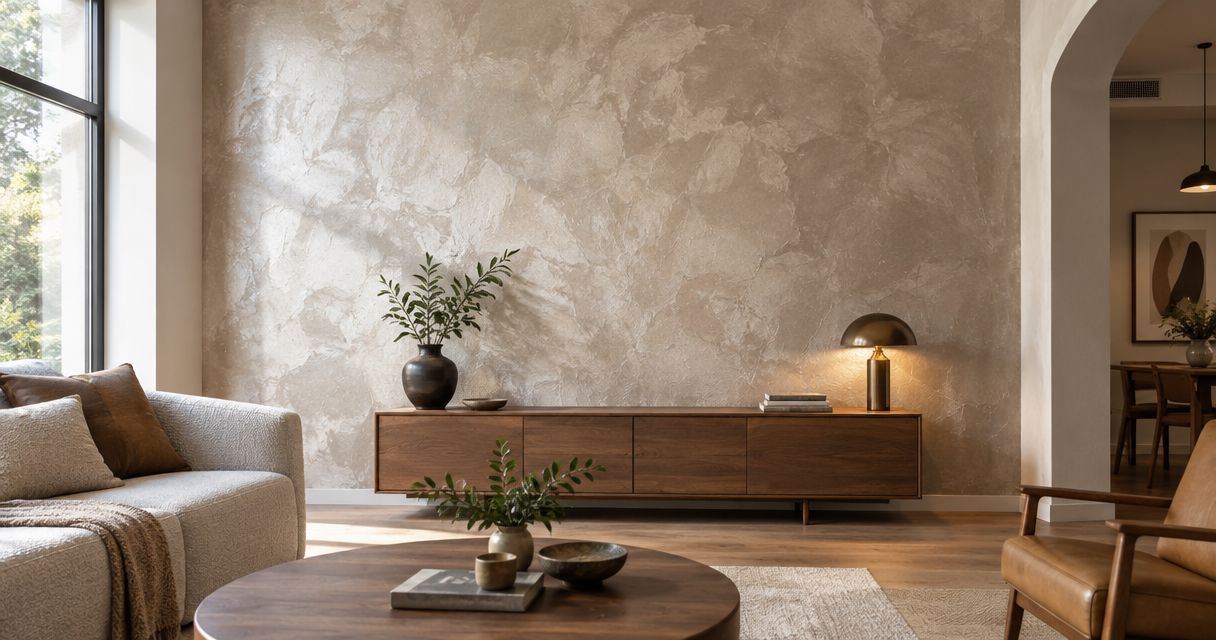
Best overall: smooth burnishing. Best for understated rooms: low-sheen troweling. Best for visible movement: cross-troweling. The best Venetian plaster techniques for accent walls in 2026 depend on how much reflection, pattern, and texture you want; this guide compares five approaches before you choose a finish.
- The best venetian plaster techniques for accent walls start with smooth burnishing for a polished focal point.
- Low-sheen troweling suits understated interiors; cross-troweling makes application marks part of the design.
- Tonal layering adds color depth, while travertine-inspired texture creates more pronounced surface relief.
- Luxuryflyservices offers Venetian plaster wall finishes for residential and commercial clients across Connecticut.
Why this matters
An accent wall changes as light moves across it. A finish that looks quiet straight on can show strong trowel movement when a window lights it from the side. Choose the surface effect before choosing its color.
For a 2026 renovation, separate the desired appearance from the application method. Gloss, movement, and relief are different decisions, even when a sample combines them. Luxuryflyservices provides Venetian plaster wall finishes as part of its home remodeling services.
Luxuryflyservices is a Venetian plaster contractor for Connecticut homeowners and commercial clients seeking a decorative wall finish. Compare the techniques below, then use the guide to Venetian plaster colors for living rooms to coordinate the finish with your room.
What makes the best Venetian plaster accent wall?
Judge these five criteria before comparing decorative effects:
- Light response: Decide whether the wall should reflect light or remain visually subdued. Check it with both daylight and installed lighting.
- Movement: Choose between quiet variation, visible overlapping strokes, and deliberate directional marks. More movement makes the wall a stronger focal point.
- Surface relief: Distinguish color variation from physical texture. A wall can look layered without feeling heavily textured.
- Room compatibility: Consider furniture, artwork, trim, and nearby finishes. The accent wall should have a clear role rather than compete with everything around it.
- Application control: Require a sample that establishes sheen, stroke scale, color variation, and edge treatment. A color swatch alone cannot show these qualities.
Venetian plaster is not one fixed recipe. The term covers decorative finishes with different compositions and application requirements. These rankings compare visual approaches, not interchangeable instructions for every plaster product.
Venetian plaster techniques at a glance
| Rank and technique | Best for | Standout feature | Key limitation |
|---|---|---|---|
| 1. Smooth burnishing | A polished focal wall | Compressed, reflective surface with subtle movement | Strong light makes surface irregularities more noticeable |
| 2. Low-sheen troweling | Understated living spaces | Restrained reflection and gentle variation | Does not deliver a high-gloss effect |
| 3. Cross-troweling | An expressive feature wall | Overlapping strokes create visible movement | Busy application can compete with furnishings |
| 4. Tonal layering | Color-led interiors | Related tones create depth without relying on heavy relief | Poorly controlled contrast looks patchy |
| 5. Travertine-inspired texturing | A stone-like architectural accent | Pores, dragged marks, and flattened high points | Not every Venetian plaster system supports this texture |
These techniques can overlap. A cross-troweled wall can also be burnished, and tonal layering can sit beneath a low-sheen finish. Choose one dominant effect so the finished wall has a clear visual purpose.
1. Smooth burnishing: best for a polished focal wall
Smooth burnishing compresses the plaster surface with a suitable finishing tool at the stage specified for the material. It creates a smoother, more reflective appearance while retaining variation from the underlying application. The result emphasizes depth rather than raised texture.
Best for: A living-room feature wall, dining-room backdrop, or reception wall where you want a polished focal point.
Smooth burnishing pros:
- Creates reflection without needing pronounced surface relief.
- Makes subtle tonal variation visible across the wall.
- Provides a clear contrast with matte furnishings and textiles.
Smooth burnishing cons:
- Raking light emphasizes uneven preparation and inconsistent finishing.
- Local repairs require care to match both movement and sheen.
- The application window depends on the specific plaster system.
Ask for a sample showing the intended reflection, not simply the intended color. Inspect it from an angle as well as straight on. A small glossy patch does not explain how an entire wall will interact with a window.
For a 2026 living-room project, start here if you want the wall itself to be the decorative feature. Keep competing reflective surfaces in mind, particularly nearby glass, polished stone, and glossy cabinetry.
Verdict: Buy this approach for a polished focal wall; skip it if visible reflection is the problem you want to avoid.
2. Low-sheen troweling: best for understated living spaces
Low-sheen troweling prioritizes restrained reflection and gentle surface movement. The applicator works toward a quieter finish rather than maximizing polish. The achievable sheen depends on the selected material and its prescribed finishing process.
Best for: Bedrooms, reading areas, and living rooms where the accent wall should support the room rather than dominate it.
Low-sheen troweling pros:
- Keeps the focus on color and subtle movement.
- Pairs naturally with matte paint and tactile furnishings.
- Offers a quieter alternative to a strongly polished wall.
Low-sheen troweling cons:
- Does not provide the mirror-like effect some buyers expect.
- Still requires sound preparation; low sheen is not a repair method.
- Protective treatments can change the approved appearance.
Specify what low sheen means using a physical sample. Words such as satin, matte, and soft polish are not a substitute for seeing the finish under your lighting.
Ask to see the sample with the intended protective treatment applied, where one is required. Approving an unfinished sample leaves the final appearance unresolved.
Verdict: Buy this approach when you want an accent wall with depth but little visual glare.
3. Cross-troweling: best for an expressive feature wall
Cross-troweling uses overlapping strokes in changing directions to build visible movement. The stroke pattern becomes part of the design rather than disappearing into a uniform surface. Its character depends on stroke size, overlap, pressure, and finishing.
Best for: A relatively uncluttered wall where the application pattern can act as the main decorative element.
Cross-troweling pros:
- Gives the wall a distinct, hand-applied appearance.
- Creates movement without requiring strong color contrast.
- Lets you choose a finer or broader visual rhythm.
Cross-troweling cons:
- Overworked areas can look busier than the rest of the wall.
- Large strokes can overwhelm a narrow accent area.
- Repairs must match the established application pattern.
For your 2026 sample review, stand where you will normally enter or sit in the room. A pattern that looks appealing close up can become distracting across a full wall. Judge the overall rhythm before studying individual marks.
A useful specification describes stroke scale and density, not just color. Ask whether the finished wall should read as quiet movement from a distance or as an obvious troweled pattern.
Verdict: Buy this approach when visible craftsmanship is the feature; skip it beside already-busy finishes.
4. Tonal layering: best for color-led interiors
Tonal layering builds visual depth through related shades or controlled variation within a compatible finish system. It is primarily a color strategy, although the troweling method also affects the result. The goal is depth that reads as intentional rather than accidental patchiness.
Best for: Accent walls whose main job is to connect upholstery, flooring, wood tones, or artwork through color.
Tonal layering pros:
- Adds depth without requiring pronounced physical texture.
- Supports a closely related, restrained color palette.
- Works with either quieter or more visible trowel movement.
Tonal layering cons:
- Excessive contrast makes the wall look blotchy.
- Lighting changes the apparent balance between tones.
- Touch-ups must match the color relationship as well as the surface.
Choose the dominant tone first. Then decide how visible the secondary variation should be from your normal viewing distance. Do not approve separate color chips and assume they explain the finished combination.
Use a sample containing the complete layering sequence. If a protective treatment is specified, include that treatment before approving the relationship between the tones.
Verdict: Buy this approach when color depth matters more than gloss or pronounced texture.
5. Travertine-inspired texturing: best for a stone-like accent
Travertine-inspired texturing uses a compatible decorative plaster to suggest stone through pores, dragged marks, and flattened high points. It is not a finish every Venetian plaster product can produce. Confirm material suitability before treating a reference photograph as an application specification.
Best for: An architectural accent where visible surface relief is intentional, such as a recessed wall or a distinct entry backdrop.
Travertine-inspired texturing pros:
- Creates physical texture rather than relying only on color.
- Gives directional lighting a visible surface to emphasize.
- Provides a different effect from smooth, polished plaster.
Travertine-inspired texturing cons:
- Deeper recesses require more attention during cleaning.
- Pronounced texture complicates neat edges around fittings.
- An unsuitable material will not become suitable through technique alone.
Decide whether the marks should run horizontally, vertically, or without a dominant direction. That choice changes how the wall relates to doors, shelving, and nearby architectural lines.
If your 2026 brief says Venetian plaster but your reference shows heavy stone texture, resolve that difference before work starts. Specify the approved appearance and compatible system together.
Verdict: Buy this approach for deliberate stone-like relief; skip it when you want a smooth accent wall.
How to approve the finish before installation
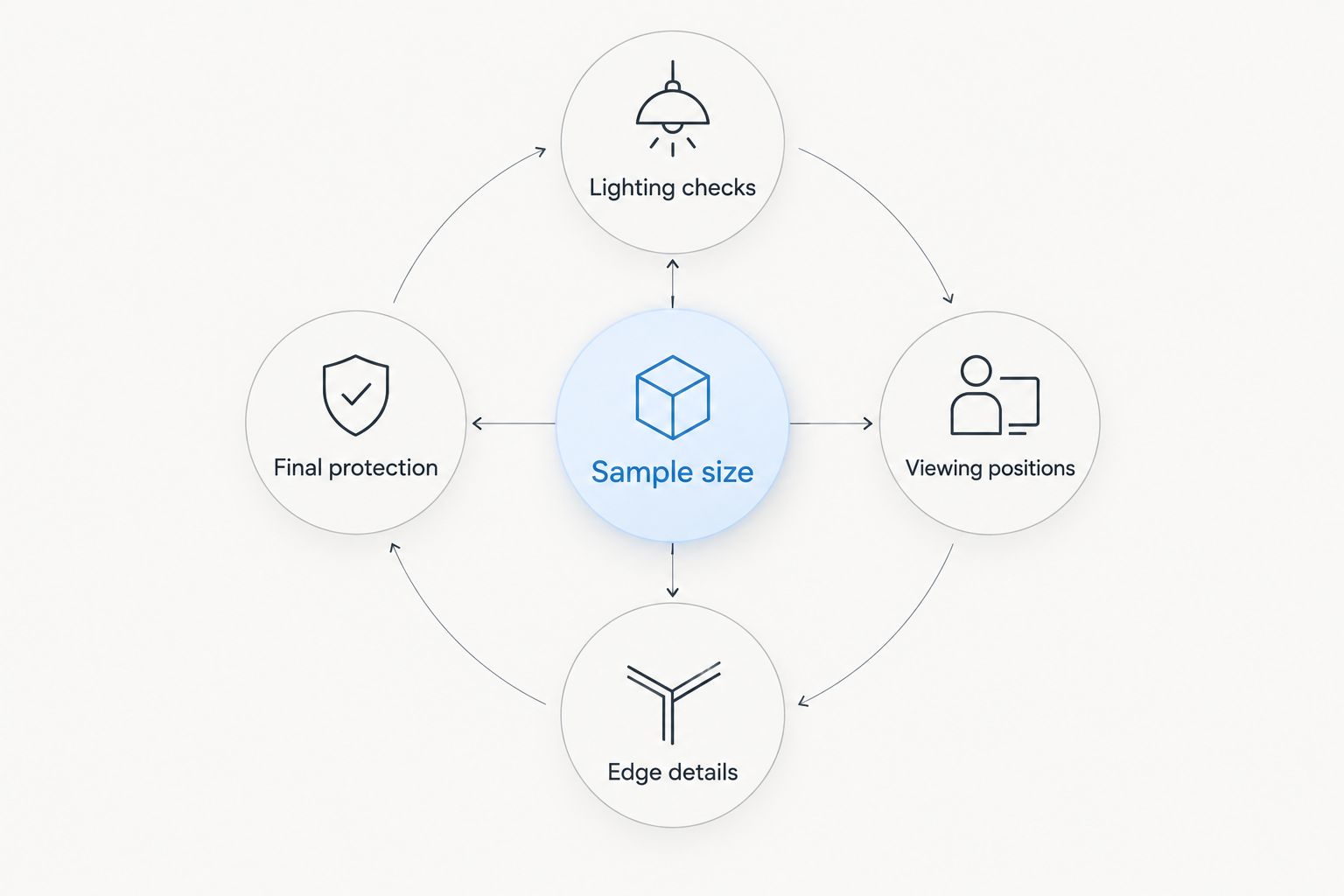
Turn your preferred technique into a sample brief. Luxuryflyservices offers Venetian plaster wall finishes; use these checkpoints when discussing your Connecticut project rather than relying on a technique name alone.
- Sample size: Request a sample at least 24 inches wide so you can judge overlapping marks, not just a single stroke.
- Lighting checks: Review the sample under 2 lighting conditions: daylight and the room's artificial lighting.
- Viewing positions: Inspect it from 3 positions: straight on, at an angle, and from your normal seated or standing location.
- Edge details: Agree on the treatment at corners, baseboards, outlets, and adjoining painted surfaces.
- Final protection: Confirm whether the specified system requires a protective treatment and approve the appearance after that step.
These are sample-review recommendations, not manufacturer application specifications. Product instructions govern preparation, coat sequence, drying, finishing, and protection.
Do not ask decorative plaster to solve an unresolved substrate problem. Discuss cracks, loose coatings, dampness, and uneven surfaces before selecting the final effect. Surface decoration and substrate repair are separate parts of the work.
How the techniques rank
Smooth burnishing ranks first because it gives an accent wall a clear polished identity without depending on heavy relief. Low-sheen troweling wins for restraint, cross-troweling for visible movement, tonal layering for color depth, and travertine-inspired texturing for physical texture.
The ranking follows the five criteria above: light response, movement, surface relief, room compatibility, and application control. It compares design suitability, not measured installation performance or identical material systems.
Which Venetian plaster technique should you choose?
Choose smooth burnishing as the default when you want a polished accent wall. Choose low-sheen troweling instead when reflection would distract from the room. Those two approaches establish the clearest starting decision: reflective or restrained.
Then consider movement, color layering, and relief. For your 2026 project, approve one dominant effect and document it in a finished sample before extending it across the wall.
Discuss your accent wall
Explore Venetian plaster wall finishes for your Connecticut home or commercial space.
FAQ
What's the best Venetian plaster technique for an accent wall?
Smooth burnishing is the best starting point for a polished accent wall. Choose low-sheen troweling instead when you want restrained reflection, and approve either finish under the room's actual lighting.
Is polished Venetian plaster better than a low-sheen finish?
Polished Venetian plaster is better for a reflective focal point; low sheen is better for an understated backdrop. Neither is the right choice for every room because lighting and adjacent finishes change the effect.
Can Venetian plaster hide cracks in an accent wall?
Venetian plaster is not a substitute for diagnosing and repairing cracks. Resolve substrate problems before installing the decorative finish, following the requirements of the selected system.
Can I use Venetian plaster behind a sink or in a shower?
Use a decorative plaster in a wet location only when the complete specified system is approved for that exposure. An appearance sample does not establish waterproofing or suitability for direct water contact.
How do I avoid a patchy Venetian plaster wall?
Approve a sample that defines color variation, stroke scale, and sheen together. Tonal layering and cross-troweling should look intentional from your normal viewing position, not just close up.
Can I create travertine texture with any Venetian plaster?
No, not every Venetian plaster material supports travertine-inspired texturing. Select a compatible decorative plaster system and approve its relief, direction, and edge treatment before installation.
Should I choose the color or the technique first?
Choose the intended surface effect first, then refine the color on a completed sample. Gloss, trowel movement, and protective treatments affect how that color appears.
One last thing
Move the light before you change the finish. Hold the same sample beside a window, beneath the intended wall lighting, and against the opposite wall. If the appearance changes sharply, your decision is partly about lighting placement—not just plaster technique.